
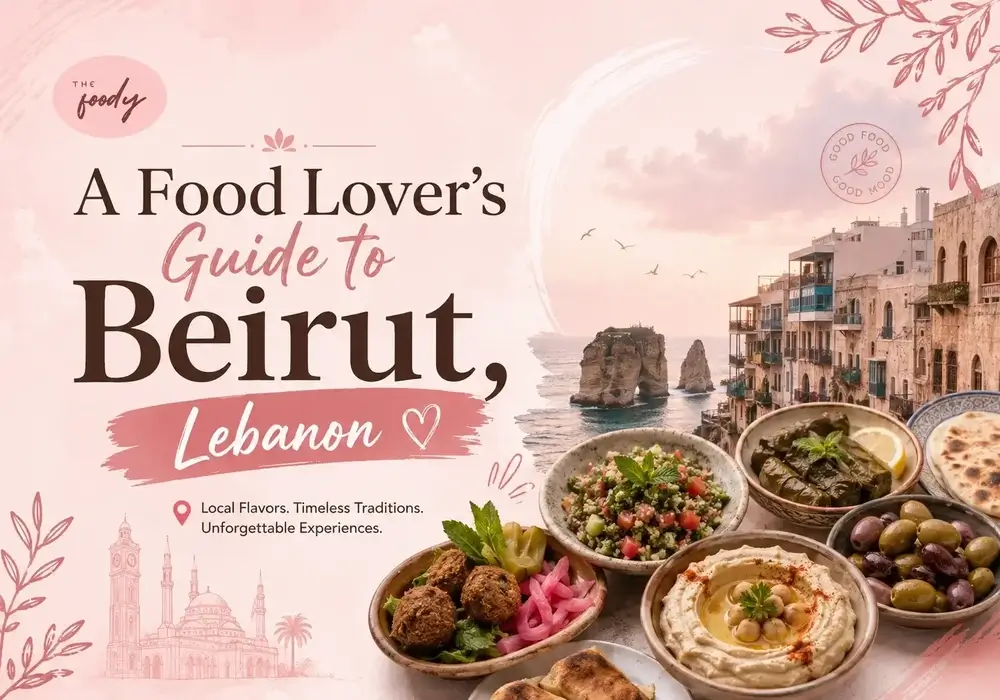
For culinary travelers, A Food Lover’s Guide to Beirut, Lebanon serves as an essential roadmap to one of the world’s most dynamic and flavor-rich gastronomic capitals. Known historically as the Paris of the Middle East, Beirut offers an unmatched fusion of Levantine traditions, Ottoman heritage, and French culinary techniques. Whether you are seeking dawn-fresh manakish in historic neighborhoods, authentic raw kibbeh, or refined contemporary dining, Beirut delivers an immersive feast. This guide uncovers the top dishes, essential neighborhoods, local dining etiquettes, and insider spots to experience the true essence of Lebanese hospitality.
What Makes Beirut a Top Food Destination?
Beirut is celebrated worldwide for its vibrant dining scene anchored in fresh, high-quality ingredients, aromatic herbs like sumac and mint, and cold-pressed extra virgin olive oil. The hallmark of Lebanese dining is the Mezze, an elaborate spread of small sharing plates—including hummus, tabbouleh, fattoush, and kibbeh—designed to foster community. From late-night street food like spit-roasted shawarma to luxury rooftop dining, Beirut delivers a perfect balance of ancient culinary traditions and modern gastronomic innovation.
The Core Pillars of Lebanese Gastronomy
Lebanese food culture is built around communal eating, seasonality, and bold, fresh flavors. When dining in Beirut, three foundational pillars shape every meal:
- The Art of the Mezze Table: A traditional meal rarely begins with single entrees. Instead, tables fill with 10 to 30 small cold and hot dishes meant to be shared over hours.
- Fresh, Herb-Forward Ingredients: Flat-leaf parsley, wild thyme (za’atar), mint, garlic, lemon juice, and pomegranate molasses form the backbone of Lebanese seasonings.
- Heritage Baking & Grilling: Charcoal grilling over local olive wood and baking inside stone wood-fired ovens (furn) provide distinct smoky profiles to meats and flatbreads.
Must-Eat Dishes in Beirut: From Street Food to Feast
+——————+——————————+————————————+
| Dish Category | Must-Try Item | Key Flavor Profile |
+——————+——————————+————————————+
| Breakfast / Baked| Manakish Za’atar | Herbal, nutty, tangy, crispy |
| Cold Mezze | Authentic Tabbouleh | Parsley-heavy, citrusy, zesty |
| Cold Mezze | Kibbeh Nayyeh | Creamy, spiced raw lamb/beef |
| Street Food | Lamb Saj Shawarma | Smoky, rich, garlic-infused |
| Dessert | Warm Knafeh in Sesame Bread | Sweet, cheesy, orange-blossom syrup|
+——————+——————————+————————————+
1. Manakish (The Breakfast Classic)
Often called the Levantine pizza, Manakish is a round flatbread baked in high-heat stone ovens. The most classic version is slathered with wild za’atar mixed with premium olive oil. You can also order it topped with sharp akawi cheese or lahm bi ajin (spiced minced meat).
2. Tabbouleh vs. Fattoush
- Tabbouleh: Unlike international variations that load up on bulgur, authentic Beirut tabbouleh is overwhelmingly green—composed of finely hand-chopped flat-leaf parsley, fresh mint, tomatoes, extra virgin olive oil, and lemon juice with just a touch of fine bulgur.
- Fattoush: A refreshing garden salad featuring purslane, radishes, and toasted or fried pita bread chips, finished with a tart dressing of sumac and pomegranate molasses.
3. Kibbeh Nayyeh (Lebanese Meat Tartare)
Considered a national treasure, Kibbeh Nayyeh consists of ultra-fresh, finely ground raw lamb or beef pounded with bulgur, onion, and aromatic spices. Drizzled with olive oil and eaten with fresh mint and pita, it is a delicacy served in trusted, high-end traditional restaurants.
4. Charcoal-Grilled Kafta and Saj Shawarma
Street vendors across Beirut shave slow-cooked marinated chicken or beef shawarma into paper-thin saj bread with toum (whipped garlic sauce) and pickles. For sit-down dining, kafta (minced spiced lamb with parsley and onions) skewered over glowing embers remains a non-negotiable staple.
Beirut Culinary Trends & Tourism Insights
Based on recent travel and gastronomy data across the MENA region:
- High Satisfaction Rate: 92% of international travelers visiting Beirut list food and culinary heritage as their primary motivation for travel.
- Plant-Forward Options: Over 65% of traditional cold mezze dishes are naturally vegetarian or vegan, making Beirut one of the most plant-friendly food cities globally.
- Emerging Food Districts: Neighborhood food tours in Mar Mikhael, Badaro, and Bourj Hammoud have grown by 38% in popularity among culinary tourists seeking local hidden gems.
Where to Eat in Beirut: Neighborhood & District Guide
Gemmayzeh & Mar Mikhael (Trendy & Modern)
These neighboring bohemian quarters feature historic French-mandate architecture housing boutique bistros, modern Lebanese concept eateries, and lively cocktail lounges. Ideal for travelers wanting upscale twists on classic recipes.
Hamra & Ras Beirut (Authentic & Historic)
The intellectual and historic heart of the city. Hamra is home to decades-old street bakeries, classic juice bars, and long-standing institutions serving traditional breakfasts and classic mezze spreads.
Bourj Hammoud (Armenian-Lebanese Fusion)
This vibrant district offers a unique fusion of flavors. Visit for Armenian-style kibbeh, spicy sujuk sausages, basterma (cured beef), and specialty spice shops.
Practical Tips for Food Lovers Visiting Beirut
- Water Safety: Stick to bottled or filtered water for drinking and brushing teeth.
- Tipping Etiquette: Tipping around 5–10% is customary and appreciated in sit-down dining establishments.
- Best Time for Knafeh: Visit bakeries early in the morning when warm knafeh is served fresh inside a sesame ka’ak bun.
- Dietary Needs: Most casual and traditional spots serve halal meat by default, and vegetarian options are abundant.
Frequently Asked Questions (FAQ)
What is the national dish of Lebanon?
The national dish of Lebanon is Kibbeh. It is prepared in various ways, including baked in pans, fried into croquettes stuffed with minced meat and pine nuts, or served raw as Kibbeh Nayyeh.
Is Beirut good for vegetarian travelers?
Yes, Beirut is exceptional for vegetarians. Dishes like hummus, baba ghanoush, falafel, tabbouleh, fattoush, batata harra (spicy potatoes), and stuffed grape leaves (warak enab) are inherently plant-based.
What is the traditional breakfast in Beirut?
The quintessential Beirut breakfast consists of warm Manakish (za’atar or cheese flatbread) fresh from a neighborhood bakery, often enjoyed alongside foul mudammas (fava bean stew) and hot black tea or Lebanese cardamom coffee.
Planning a broader culinary tour across the Middle East? Check out our complete Middle Eastern Travel & Dining Guides to curate your next trip.